A travel journal from the Algarve, Portugal
A bone chapel raised under a crimson sky: the world is much more strange, and much more Other, than we usually let ourselves notice.
I’ve just arrived home from a ten-day sojourn in the Algarve in Portugal.
It was my birthday, and also my sister’s 40th. To celebrate it, we, along with her family, our other sister, and my husband all stayed together in a large house on the cliffs overlooking the Atlantic.
Starting the trip a few days earlier than the others, my husband and I traveled first to Faro. Faro’s an ancient city — or town by US standards — originally settled by the Phoenicians several thousands of years ago. Later, it became a small port city of the Iberian Celts, and a little later part of the Roman empire. Waves of others controlled it over the last two thousand years: the Romans, the Visigoths, the Moors. Then, it was sacked several times by Anglo crusaders on their way to the “holy land;” later, it was sacked again by Portuguese Catholics purging it of its Jews, Muslims, and Pagans. And now, it’s being ransacked again, this time by capital.
Like many southern coastal regions throughout Europe, Faro is a chaotic mix of ruins both ancient and modern: old city walls and crumbling gates filled with tourist shops and restaurants, bordered by a melange of shoddily-constructed tenement blocks for the residents punctuated with newer hotels and condo towers for the foreigners. Both blessed and cursed with balmy weather, waves of tourists surge through its streets seeking a sense of life, then ebb back out just as quickly to the colder places where the money can be made.
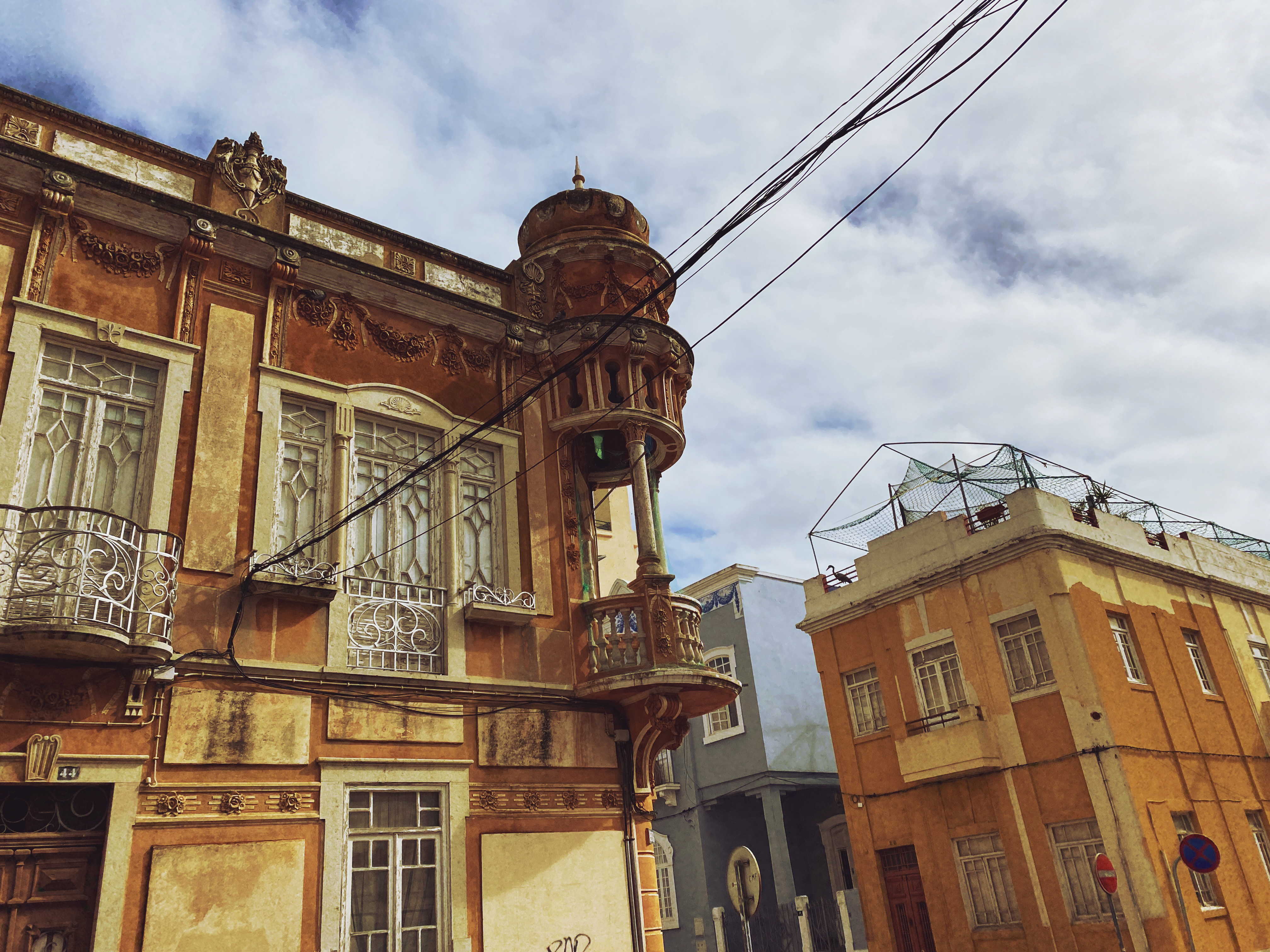
There’s much to be critiqued about these patterns of tourism. In a brilliant recent essay, Chris Christou wrote:
Tourism is not just an industry. It is a worldview, a way of life that amplifies an already alarming affliction of being elsewhere, everywhere and, therefore, nowhere. It is the abandonment (and subsequent absence of) home, culture, and community. Everyone is a traveller, but whether by choice or force, whether at home or away, most modern people today are tourists, even in their own homes.
Christou gets to the precise problem with tourism: we’re also tourists in our own homes. Alienation is the default state of existence in modern capitalism, feeling “foreign” in the very places we call home. For Christou, the opposite of the tourist is the neighbor, the person consciously aware and actively participating in relationships with those around them. The tourist sees everyone and everything around him or her as a service, a transaction, an exchange mediated by money. Even land and its startling, breathtaking vistas become products to be consumed, optics to be captured and redistributed for algorithms which decide for us what’s worth looking at.
To say all this isn’t to also say we should not travel. In fact, I’d argue quite the opposite, as travel has always been a sacred ritual act for me since my first pilgrimage more than ten years ago. While thinking about this matter, I re-read the final entry of the journals I wrote for my second pilgrimage and smiled, remembering an insight that changed everything about the way I understood travel:
“Sometimes the inhabitants of those foreign lands, neighbors to great mysteries and cohabitants with the ancient gods of land, cannot see what you’re there to find. Perhaps it isn’t really all that strange — if we, before we travel, have failed to see the magic around us in our mundane lives of work/home/consume/sleep, then even those living next to cathedrals and shrines might miss the forest-in-the-wardrobe….
…opening the disused, rusty, overgrown gates of the Other in the lands they visit, the pilgrim must return, bearing mystic keys to unlock the gates of home.
That is, travel is a sacred act because it shows you how to see the sacred where you live. The stories you learn of the places you visit — assuming you learn to listen — teach you how to the tell the stories of the places you dwell.
Speaking of stories and sacred places, my husband and I visited a kind of Christian practice and site I’d long known about (and referenced in essays), but until now hadn’t seen in person:
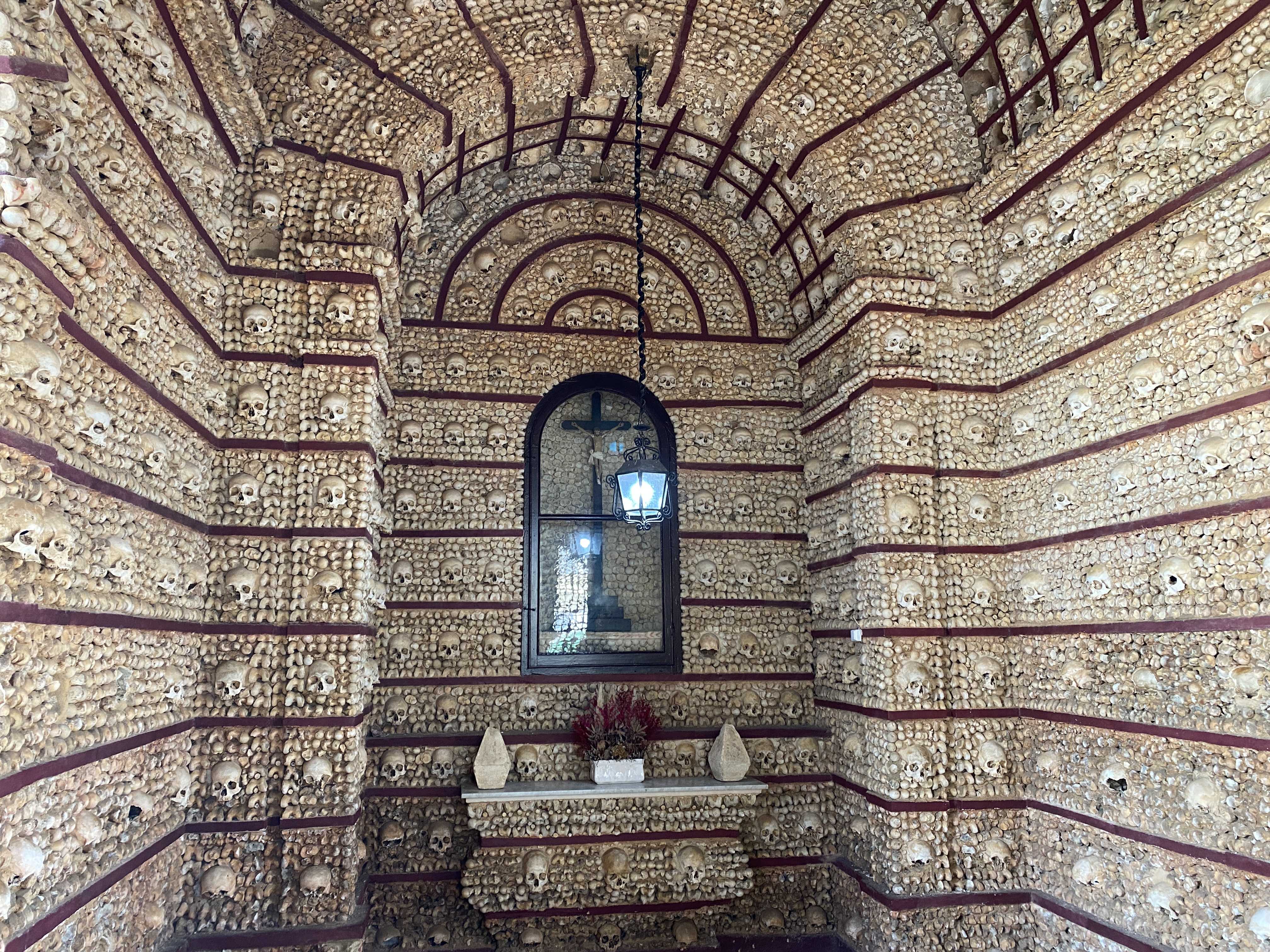
The Capela dos Ossos in Faro was built from the skeletal remains of at least 1200 people, supposedly all Carmelite monks from a tiny and no-longer existing monastery. There’s actually quite a lot of doubt about this matter — the Carmelites weren’t founded until the first Crusade and Faro was under Moorish control until the 16th century. The chapel was built surreptitiously, without ecclesiastical approval, as an attachment to a larger church. There were probably not enough dead monks in the cemetery, so the rogue monastics probably had to do some … improvising.
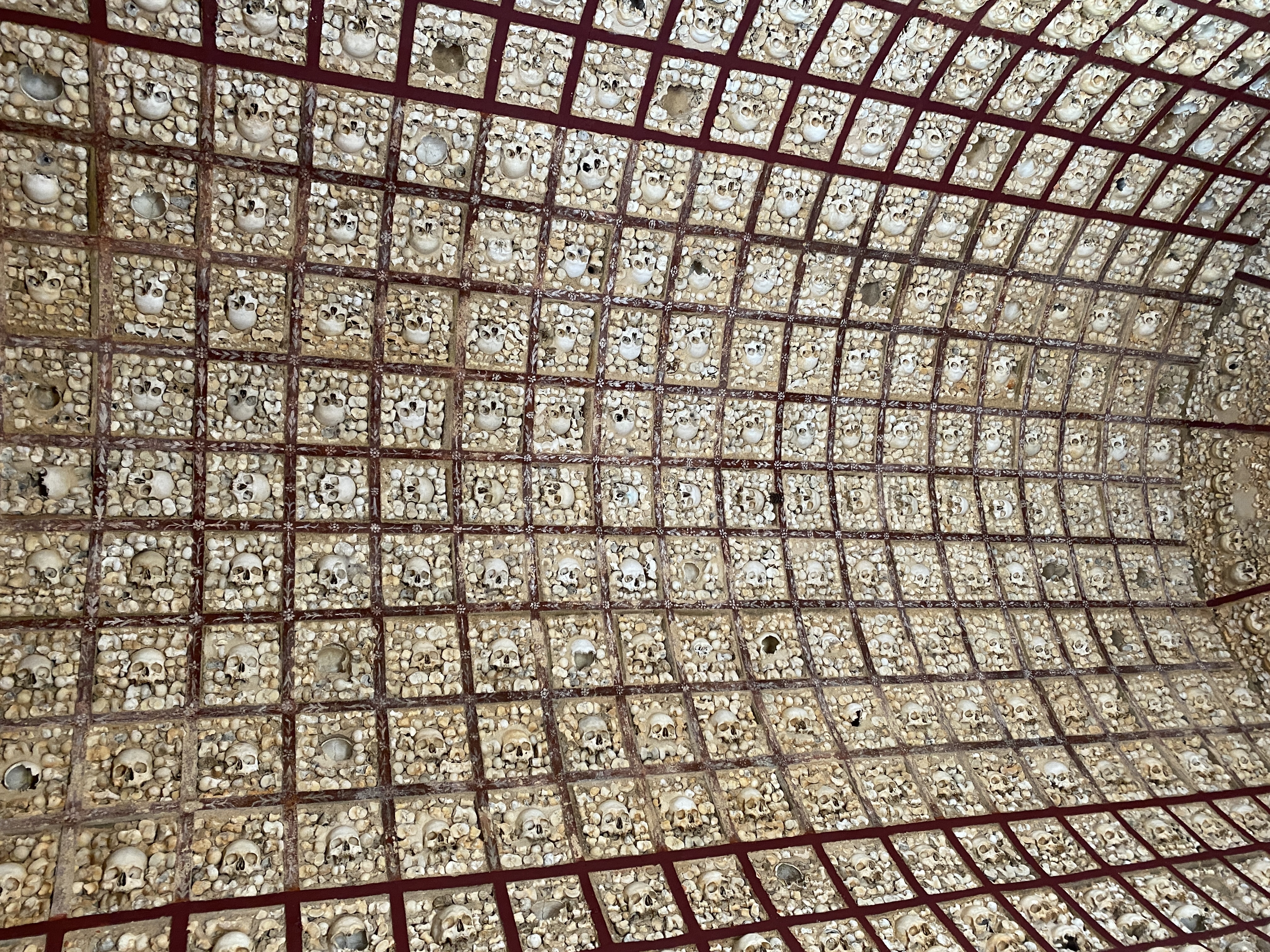
It’s also worth noting that this chapel isn’t an ancient place. In fact, it was completed in 1816, just a bit more than 200 years ago. That year, 1816, is often called “The Year Without A Summer,” because much of the world experienced radical disruption to its climate caused by the largest volcanic eruption in at least 10,000 years. South American went through a severe drought, much of North America was covered in a dry fog that blocked the sun throughout the summer, China and India experienced catastrophic flooding, harvests failed throughout Europe, and a blood-colored snow fell throughout much of the year in northern Italy. Fascinatingly, art historians have also tracked the atmospheric effect of that event in paintings, noting that painters suddenly used a lot more red to depict the sky. This change is seen most famously in two paintings by Caspar David Friedrich, one before and one after the Year Without A Summer.
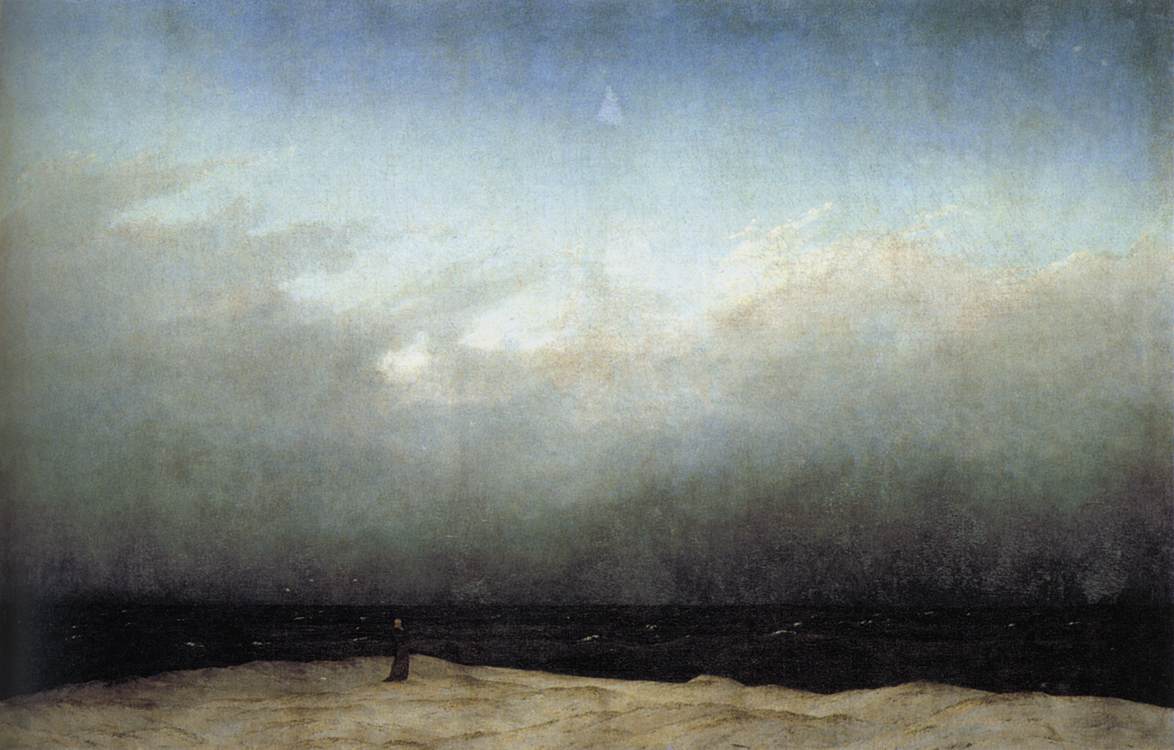
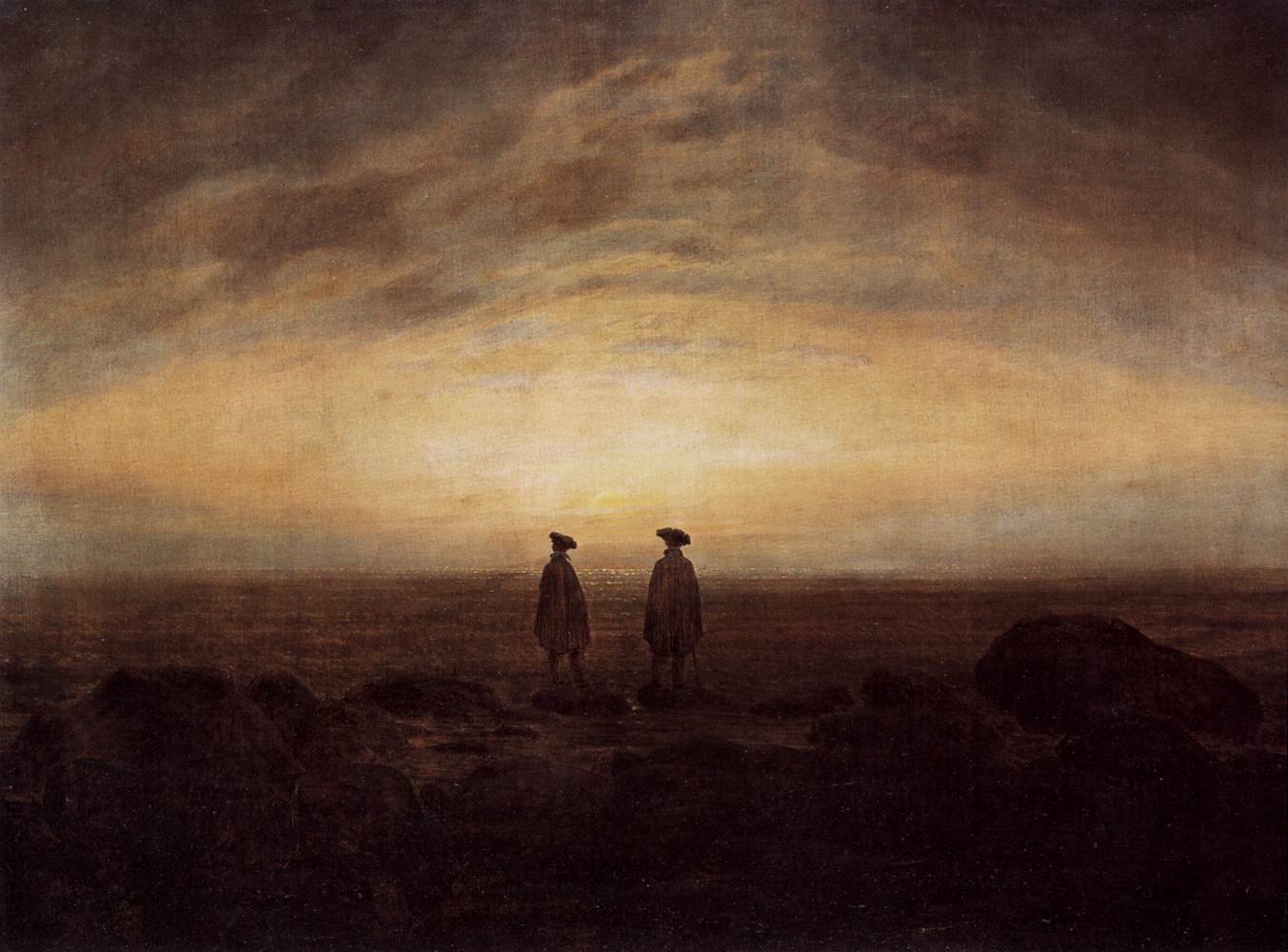
A bone chapel raised under a crimson sky: the world is much more strange, and much more Other, than we usually let ourselves notice. Such places quickly put to lie all the sanitized modern ideas about what European Christianity was really like for those who lived it. Especially for those hoping for a revival of traditional Christian ways of being as an antidote to the “paganism” of modern life or of pre-Christian societies, we should be clear that such a return will look a lot more like the “pagan” ways of being that Christianity supposedly conquered.
Faro is a city of bones. Not just the human bones of the Capela dos Ossos, but also the sun-bleached bones of empires: of the Roman empire, then of the Moorish caliphate, then of the imperialist Portuguese. Just as tourists now ebb and flow through its streets, armies, plundered wealth, slaves, and now capital have come and gone.
Azulejos, a glazed ceramic tile introduced by the Arabs, still cover many of its oldest buildings in dazzling patterns, even as those buildings remain vacant.
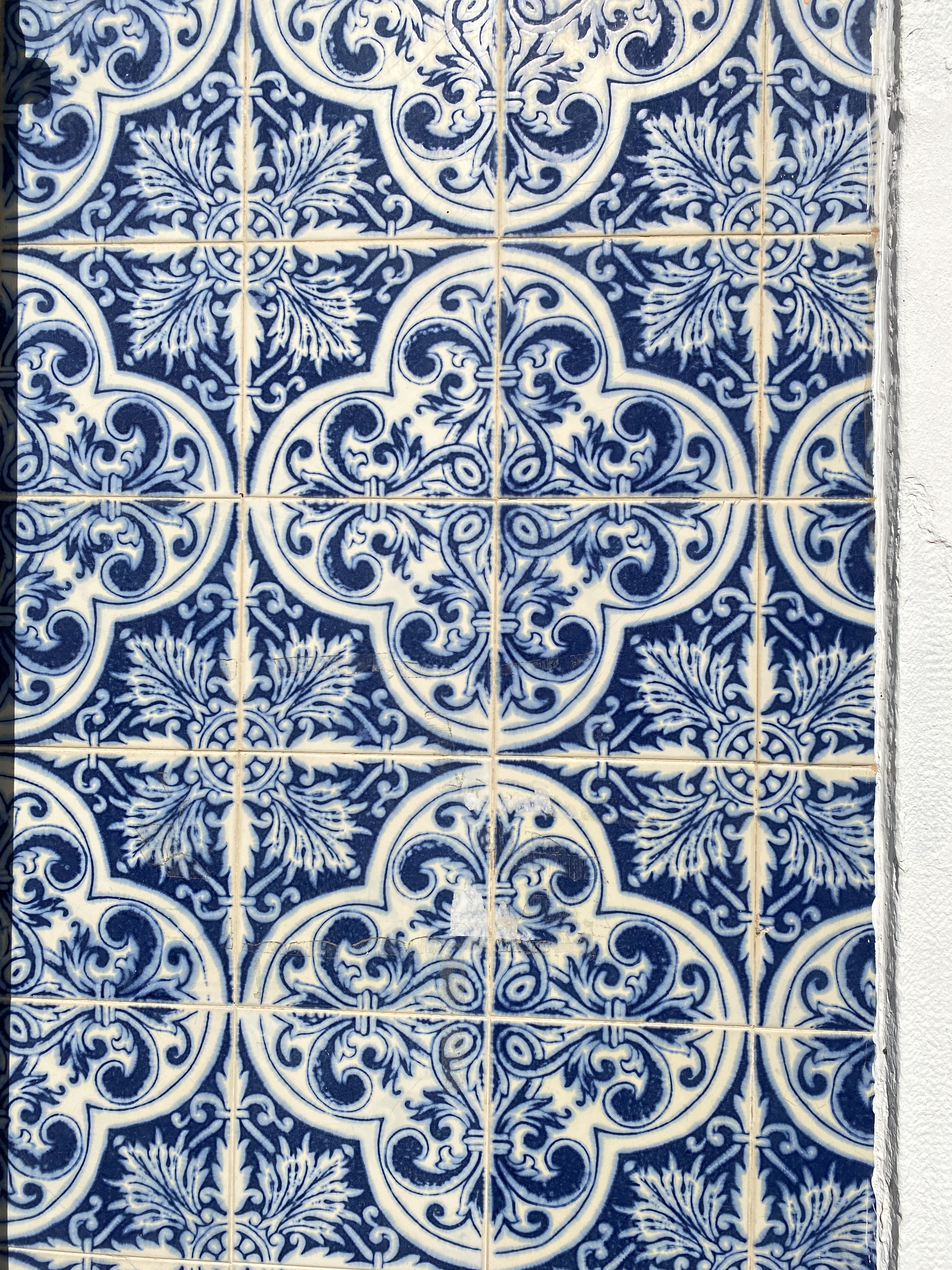
Whispers of religious wars echo in the graffiti of its walls. Near the Arab Gate, the only remaining gate of its fortified old city, someone had scrawled “Stop Islam” in English; on another wall, also in English, “Jewish Lives Matter.” A family of storks nests in the bell-tower of the church by that gate, just as they did when Faro had a synagogue, and when it had a mosque.
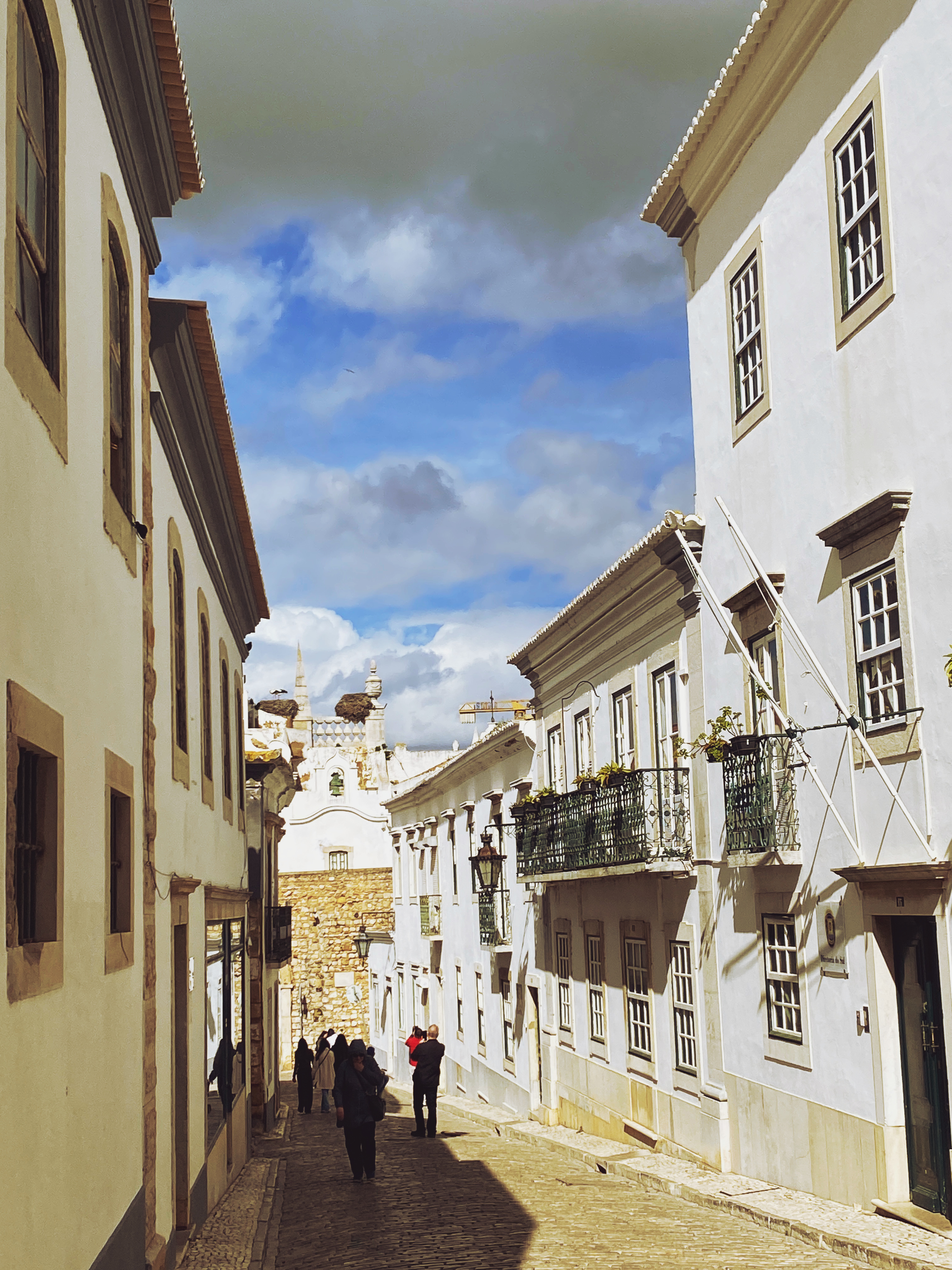
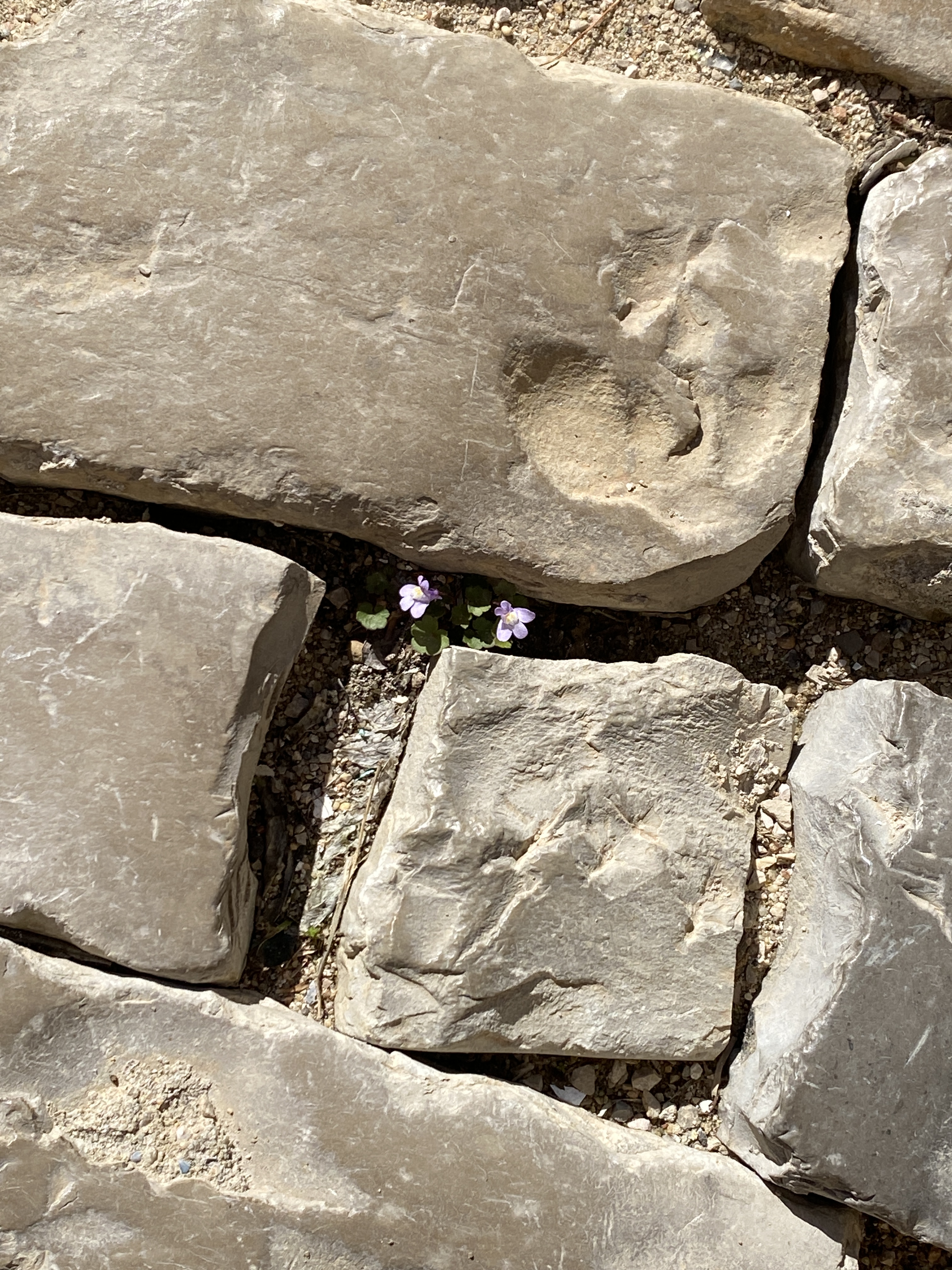
What I’ll especially remember of Faro was the feel of the stones underfoot, smoothed by century upon century of other feet. As in the oldest of places, the stone is slick even when it is bone dry, polished by the shoes, sandals, and boots of people who’ve long ago become bone.
Faro, though, was only a small part of our journey, the gate into which we arrived and the gate through which we departed. Our second day, we left Faro briefly to visit a friend nearby, herself there to visit her daughter and newborn grandson. After giving our greetings to the new child and his mother, the three of us walked along the Atlantic to take in the sea whose sound would accompany us through much of the rest of the trip.
Traveling comes always with costs, of course, and my husband and I both had to pay up a little earlier than we’d hoped. We both, one after the other, fell ill from the flu, something we’d managed to utterly avoid the rest of the winter. Catching ill while at home, while not exactly fun, is rarely very difficult. While traveling, however, it’s quite unpleasant.
It came upon my husband first with such speed neither of us even understood what had happened. Fortunately, the next morning we were meeting our family, and we were were staying for the next six days in a rented house where he could sleep it off. I had enough warning that I could guzzle liters of water and enough time to catch a glimpse of the intense beauty of where we were staying before also falling ill.
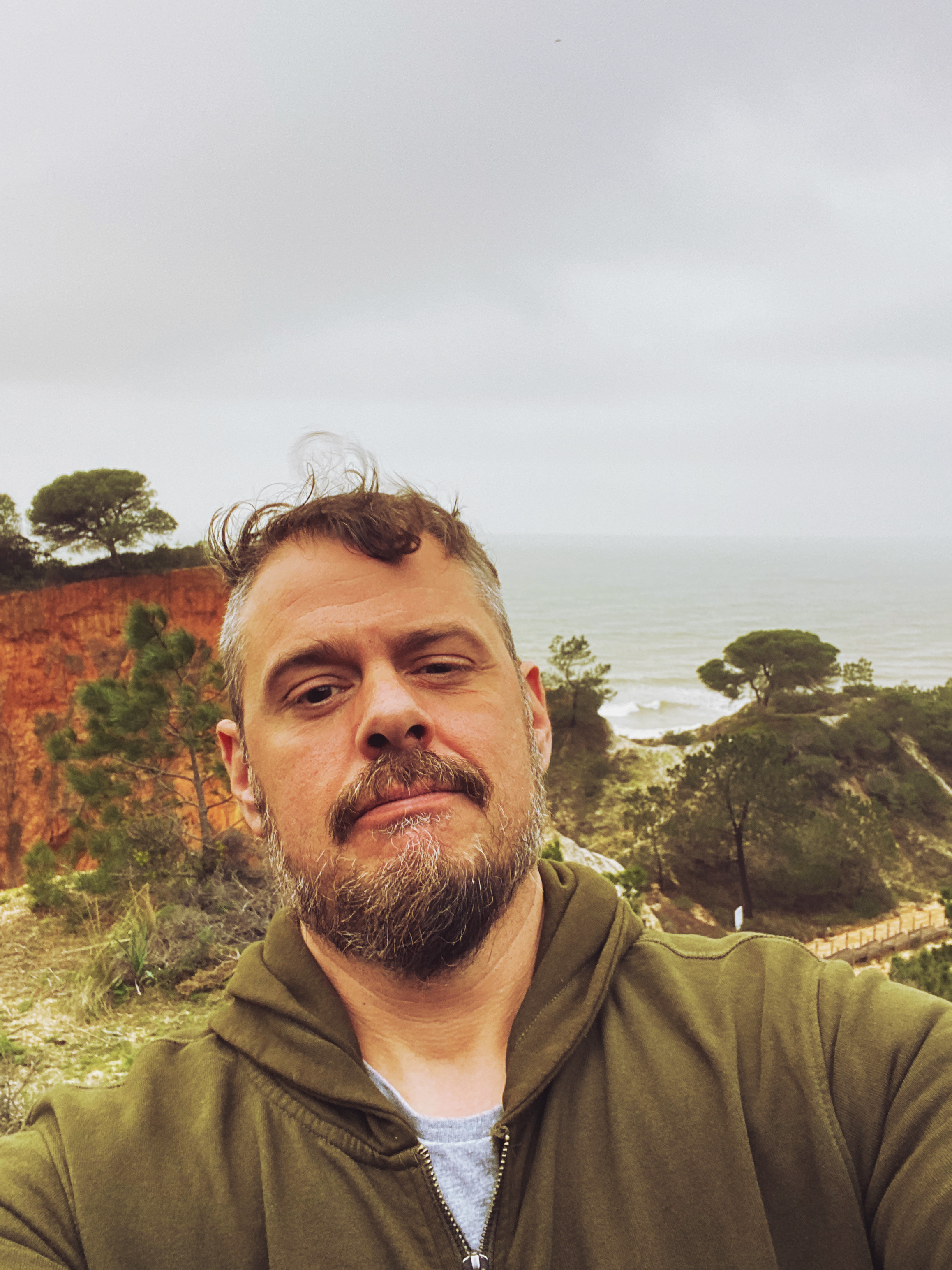
Years ago, I finally learned to be grateful for illness and to welcome its gifts. The two months before this trip, I’d done more work than I think I have since I was writing Here Be Monsters, and I’d found myself less and less able to remind myself to also live and dream. I regret none of that work, but my failure to carve out time to dream was absolutely wearing away at my soul. I wasn’t even certain I’d remember how to give myself that kind of time again, or even if I’d know how to stop thinking and start being again.
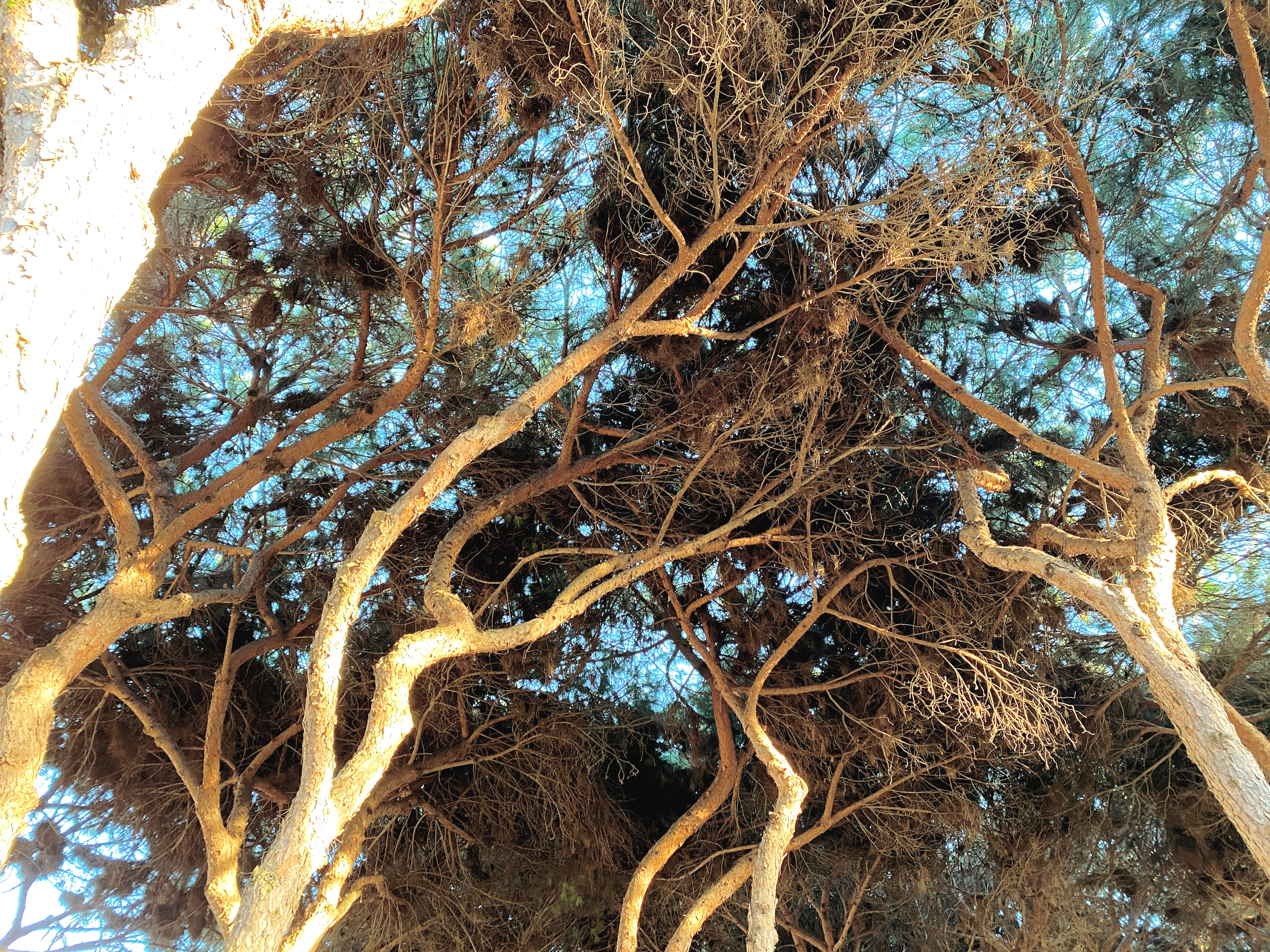
So, that flu was a great kindness. Both my husband and I agreed on this point for ourselves: better to get sick in a place of beauty and be forced to rest in it than to have been ill at home, unable to let ourselves rest. The sound of the sea and warm air wafting constantly through a window while you cannot do much else but just exist is exactly what people seek for vacations. How that comes to you doesn’t matter so much as whether or not you let it happen, and sometimes you need help surrendering to rest. I’ve desperately needed to not think, to clear out the corpses of the futile ideological wars in my head, and this is how it happened.
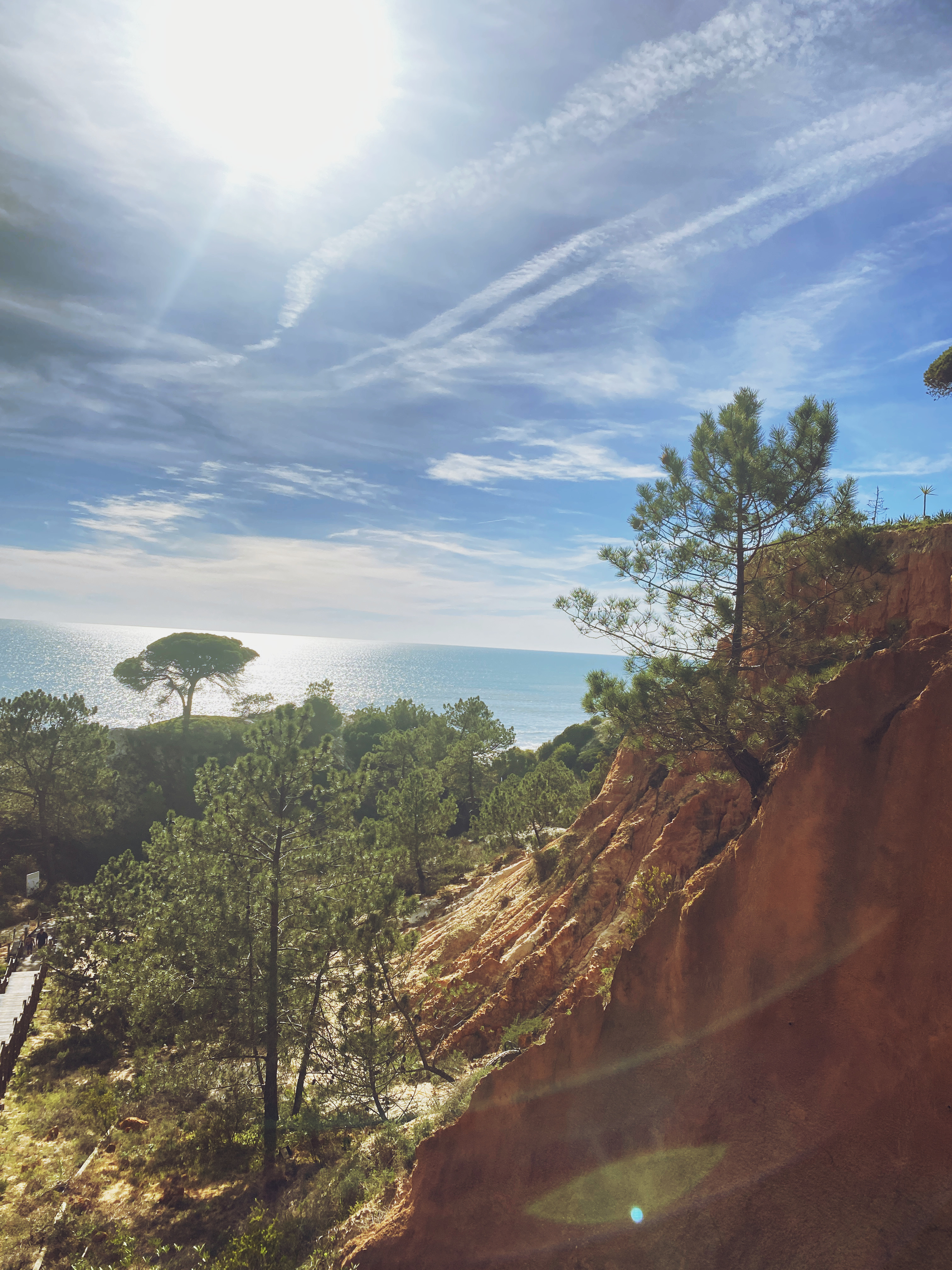
I was fortunately better by my birthday, able to sit in a sauna to burn off most of the remaining chills, and to celebrate it with dinner with my family. I even managed a day in the gym, far from my usual four days a week schedule but enough to remind myself I’m body, not thought.
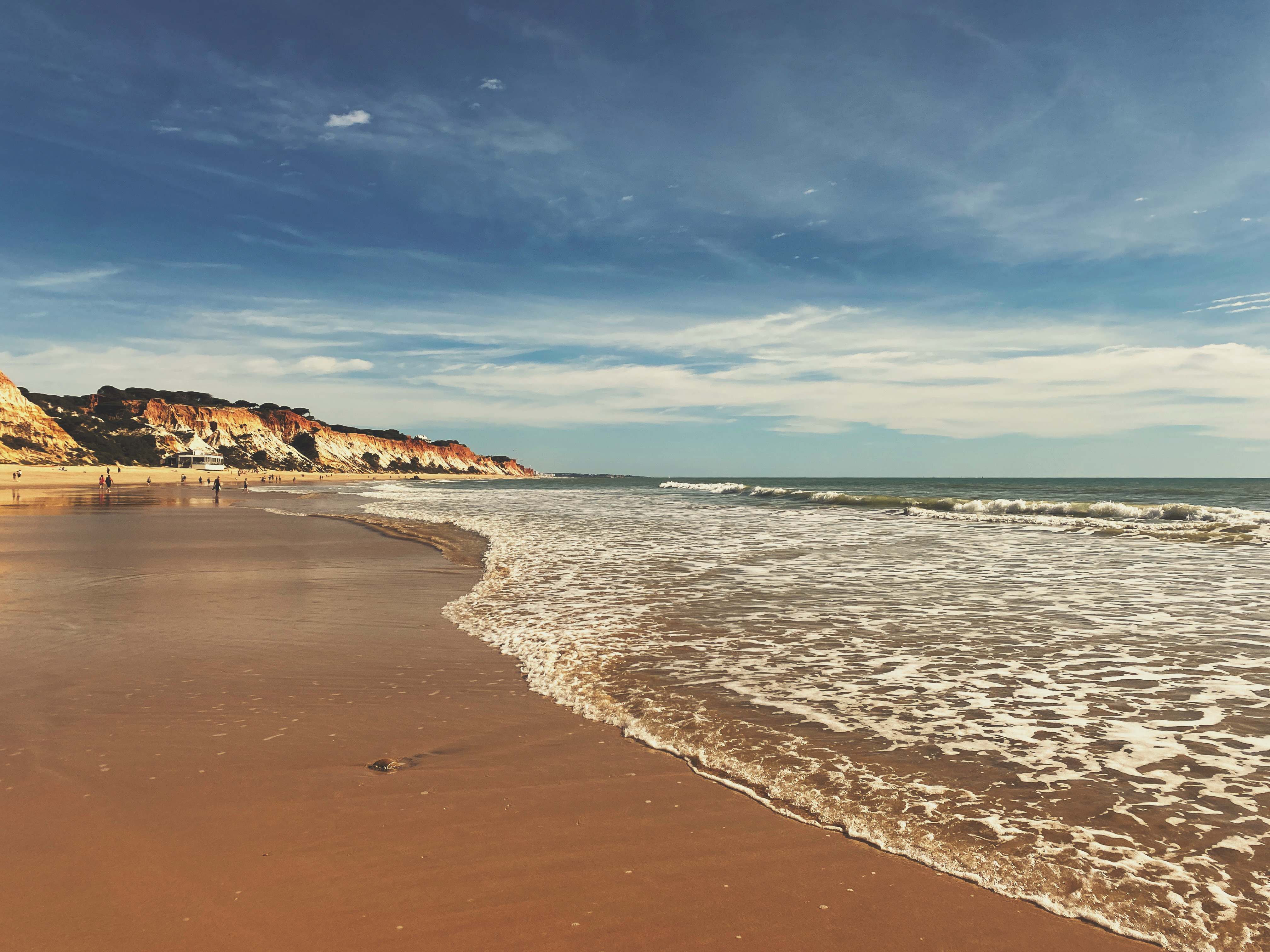
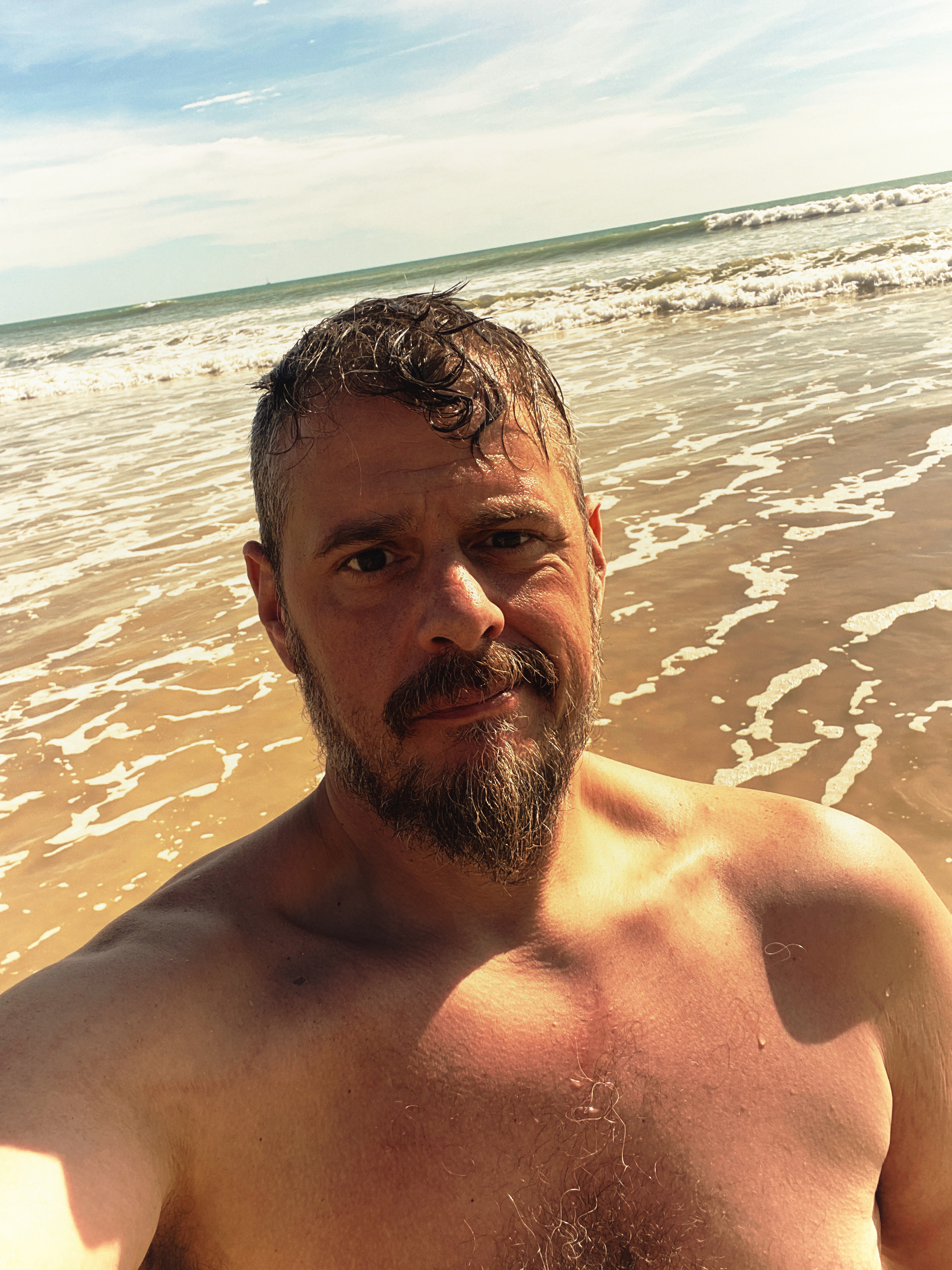
We then celebrated my sister’s birthday two days after mine. My husband and I made pizza for everyone, and he baked and decorated a cake for her. And then a day at the beach, feet in sand, sun on skin, winter sloughed off from the soul, old life cleared way for the coming of spring.
I’m back home now, and something of the dead has come with me, too, not from the bones of Faro but from the final leg of the journey back home. My husband and I are still shaken from it, a moment of terrifying turbulence in a plane I still feel the next day while typing this.
A sudden drop the pilot didn’t expect and couldn’t correct for. Another drop, and then another, and the flight attendants all dropping to the floor in terror.
Gravity forgot us, or remembered us with a vengeance. As with societal crises, when turbulence arrives, you usually just wait, maybe hold your breath, certain the pilot will fix it all. You look to the people “in charge,” the attendants wearing their practiced faces of calm, and then you calm down, too, until it’s over.
But this time, the attendants were not calm. I caught a glance of the abject terror in the face of the young woman attendant in front of me, held down by nearby passengers to keep her from hitting the ceiling. She didn’t scream, but I’m sure I did.
The first free-fall lasted perhaps no longer than 20 seconds, followed by a short pause and then another one. Then, again, and again, until the pilot could finally get the plane out of the wind eddies. All told, those were the most terrifying five minutes of my life, a taste of the kind of death I most would like not to experience. While we don’t really get to choose our deaths, plummeting to an end in a steel tube would most certainly be low on my list if I had a say in the matter.
Still. I’m alive, and there are other stories to tell, other trips to take, other bones to see, and other dreams to dream.
 Rhyd Wildermuth
Leave a comment